From a global health crisis that has changed the way we work to racial injustices that deserve our attention and action, leaders at Autodesk are navigating new ways of doing business. We’re not alone. Our counterparts at other technology companies are also rising to the occasion, and we can all learn from each other. This summer, I had the pleasure of joining an online panel of #WomeninTech Leadership to discuss leadership strategies and philosophies in a new world. It was hosted by ModelExpand, a consulting firm that helps companies attract, hire, and support underrepresented talent. Panel topics ranged from team building in a virtual office setting to handling “imposter syndrome.” My co-panelists were refreshingly candid, often humorous, and provided great ideas on how we can turn today’s challenges into opportunities for a better tomorrow.
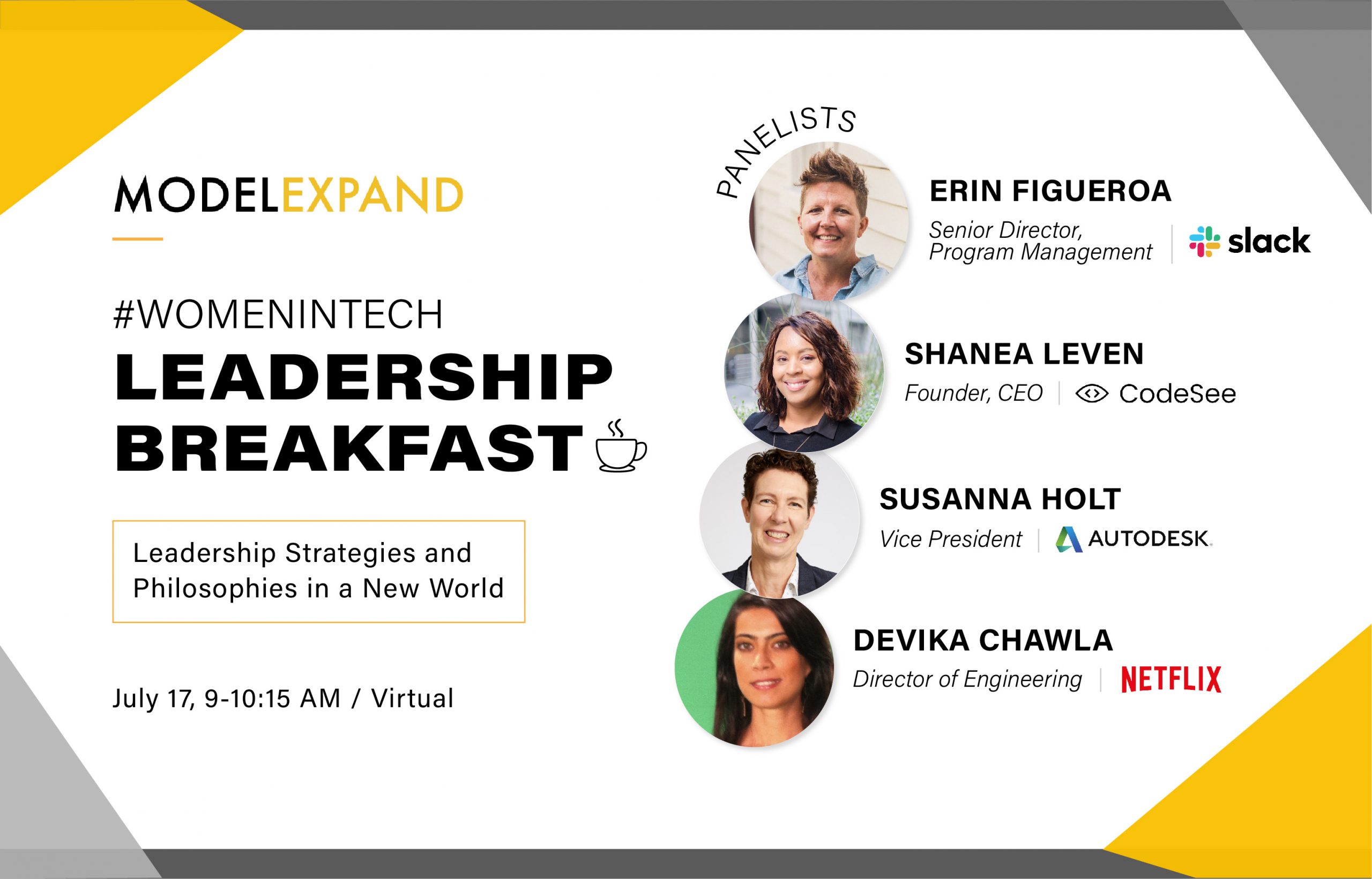
Autodesk’s Susanna Holt joined ModelExpand in July for the #WomenInTech Leadership Breakfast panel discussion
Several of the panelists had a similar path to leadership as I did: they didn’t plan it out. I started as a software engineer at Autodesk in 1995 and remained an individual contributor for many years. When I relocated from the UK to the US in 2017, I experienced the world through a different lens, which, along with working with different people accelerated my career. As the VP of the Forge platform team today, I’m passionate about bringing out the best in our people, but today’s work-from-home environment requires us to do much more to stay connected. My advice is to be intentional about team building. It’s easy to default to focus on “real work”, but if we don’t look after our people now and make sure they are thriving rather than just surviving, we’ll pay the price later. Another panelist, Erin Figueroa from Slack, shared the importance of normalizing the clash between work and life. Due to COVID-19, Erin and her wife are working from home full time, sharing a desk, and managing three kids.
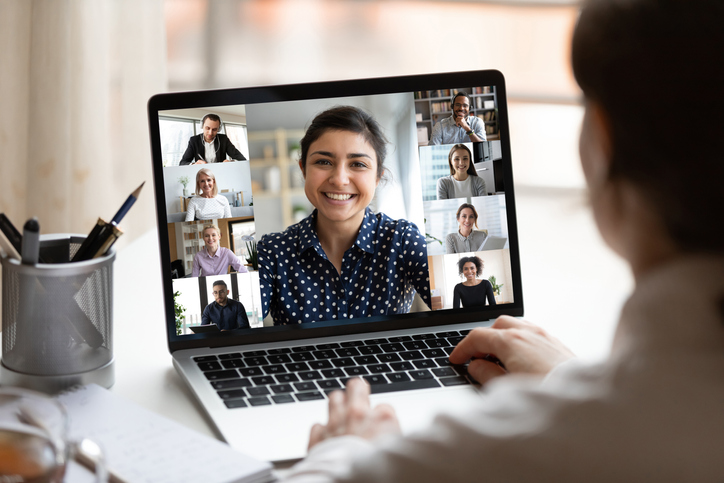
Virtual meetings have blurred the lines between work and life for many in the tech industry.
“My team now knows that if I have a virtual background, my wife is on an equally important call from our desk, and I’m on the bathroom floor,” said Erin, who is Slack’s Senior Director of Program Management. “It’s a real blending of life. When my team could see our kids interrupting meetings for a snack, it normalized for everyone that they don’t have to keep it together all the time.” We never imagined inviting colleagues into our messy homes and displaying unfolded laundry behind us on video calls. These unanticipated intrusions also offer an opportunity for connections that would not have taken place under normal circumstances. In addition to new leadership strategies for a virtual workplace, the panelists shared how they’re addressing questions about
racial inequality. I appreciated the response from Devika Chawla, Director of Engineering at Netflix. She said it’s crucial to create a “forgiving environment” where people can ask questions freely and “lean into” learning. “If we don’t do that, we’re not going to make change,” said Devika. “We all need to do our part to understand systemic racism and how to be anti-racist.” Panelist Shanea Leven described herself as one of a few Black women to lead a developer tools company. Shanea is the founder and CEO of CodeSee. She acknowledged the burden shouldn’t be on the Black community to educate others about racism, but “as a leader, that
is my job,” she said. “I’ve personally decided to bring people along, to educate. Because if I could educate a hundred people, and they could educate a hundred people, we could actually invoke change.” I agree with Shanea: this is our responsibility as leaders – to commit ourselves to learning and to opening space and time for our teams to develop. We closed the discussion with some specific ideas on how people can move into managerial and leadership roles. In summary, take calculated risks (Shanea); be honest about where your strengths can have the most impact (Devika); drive results without excuses (Erin); and network and observe how leaders at the next level think and operate (me).
Are you still wondering about how to handle imposter syndrome? The panel was unanimous: everyone has it. There’s power in accepting it, owning your strengths, and asking for help when you need it. I want to thank my fellow panelists for being so open and insightful throughout our conversation. With women like these leading technology companies, I’m encouraged that we’re all going to grow and succeed through these challenging times.